
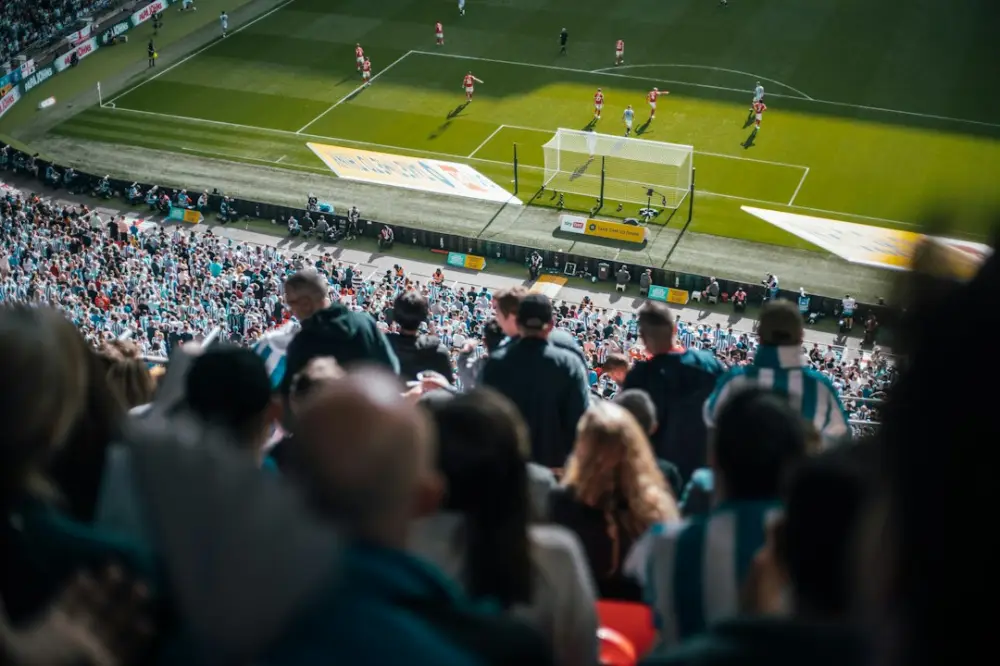
Community participation in football clubs refers to the structured involvement of local residents, fans, and players in the club’s operations and social activities. It transforms a sports team into a civic asset by fostering social inclusion, providing mentorship, and creating shared spaces where diverse groups can connect through their mutual passion for the game.
Open clubhouses and pitches for weekday use—meetings, youth programs, food drives—so supporters see the team as a neighbor, not only a match-day brand.
Launch Outreach Programs for Diverse Groups
See how grassroots activism helps fans reclaim clubs when participation is built into daily life. Outreach programs should be designed to bridge the gap between the club and demographics that might otherwise feel excluded from football culture. This requires a proactive approach rather than waiting for people to walk through the gates. For example, a club might launch a walking football program specifically for residents over 60, or provide free coaching clinics for local schools in lower-income postcodes.
Structuring these programs effectively involves a few repeatable steps:
- Identify Local Needs: Use census data or local council reports to understand the demographics of the immediate area.
- Build Partnerships: Connect with existing local charities or youth centers to co-host events, ensuring you reach people already active in the community.
- Allocate Resources: Dedicate specific pitch hours or room bookings exclusively for community use, ensuring these sessions are never bumped for first-team training.
- Measure Impact: Track attendance and gather qualitative feedback to ensure the program is actually serving its intended purpose.
By following this structure, the club moves from performing random acts of charity to running a sustainable social program that builds a new generation of supporters.
Create Platforms for Open Fan Dialogue
True community participation requires that fans have a genuine say in how the club is run. This goes beyond a suggestion box; it involves creating formal structures for feedback and decision-making. Whether it is a Supporters’ Trust or a fan representative on the board of directors, these roles ensure that the interests of the stands are represented in the boardroom. This transparency is vital for maintaining the heart of the game: a sense of collective ownership.
Practical tools can facilitate this dialogue. Digital voting platforms can be used for non-critical but highly visible decisions, such as choosing the design of a secondary kit or selecting the name of a new stand. For more complex issues, monthly "Town Hall" meetings at the clubhouse allow for face-to-face discussion between the club’s leadership and the fan base. When fans see their input resulting in tangible changes, their emotional and practical investment in the club increases significantly.
Implement Peer Mentorship for Player Growth
Participation is not just for those in the stands; it should also involve the players. A structured peer mentorship scheme can connect senior players with youth academy prospects or even local school children. This humanizes the players and reinforces the idea that they are part of the community they represent on the pitch. In 2026, many clubs are finding that this grounded approach helps young players handle the pressures of the modern game more effectively.
An example of this is a "buddy system" where first-team players are assigned to a local youth team. They might attend one training session a month or host a Q&A session about life as an athlete. This mentorship should focus on life skills—such as discipline, teamwork, and resilience—rather than just technical football drills. It creates a cycle of inspiration that keeps local talent connected to their home-town club.
Host Inclusive Neighborhood Leagues
A club can structure participation by organizing competitions that are open to everyone, regardless of skill level. This breaks down the barrier between "the team" and "the fans." Hosting 5-a-side leagues for local workers, or "World Cup" style tournaments for various ethnic communities in the area, turns the club's facilities into a hub of local activity. These events should be low-cost or free to ensure they remain inclusive.
In many cases, these leagues can be organized according to the Supporters Direct model of engagement, where the participants themselves help manage the league’s administration. This teaches organizational skills and gives participants a sense of responsibility for the club’s success. It also provides a scouting opportunity, not just for players, but for future volunteers and staff members who show a commitment to the club’s values.
Develop Volunteer-Led Matchday Roles
Structured volunteer programs give supporters ownership beyond cheering from the stands. Clubs can recruit stewards, program sellers, and community ambassadors who represent diverse backgrounds on every home date.
Start with a simple roster: define roles, provide a one-page safety briefing, and rotate shifts so no one burns out. Pair new volunteers with experienced leads, track hours transparently, and celebrate contributions in club newsletters. Over a season, these roles deepen loyalty and widen the pool of people invested in the club’s future.
Getting Started With Club Participation
If you are new to community work at your club, use this checklist in your first week.
- Start by listing three groups underrepresented at home matches and one local partner who already serves them.
- First step: book a 30-minute listening session with that partner before announcing any new program.
- To begin outreach, publish one open invitation in the club newsletter and at the turnstiles.
- Follow these steps to assign a volunteer lead, set a kickoff date, and report back to members within 14 days.
Integrate Social Support into Fan Experience
The final way to structure participation is to integrate social support systems directly into the matchday experience. Football attracts a diverse crowd, many of whom may be facing challenges outside the stadium. By partnering with local health services or advice centers, a club can offer resources such as mental health hubs, debt advice, or employment support in a non-clinical, familiar environment. This is often more effective than traditional outreach because it meets people where they already feel comfortable.
For example, a club could host a "Fans for Fans" support group that meets an hour before kickoff to discuss mental health in a relaxed setting. At Clapton Ultras, we believe that football is at its best when it acts as a safety net for its people. Community ownership is not just about who holds the shares; it is about who the club looks out for. By embedding these support systems into the very fabric of the fan experience, we ensure that the club remains a vital, living part of the community, rather than just a business that happens to play football.