
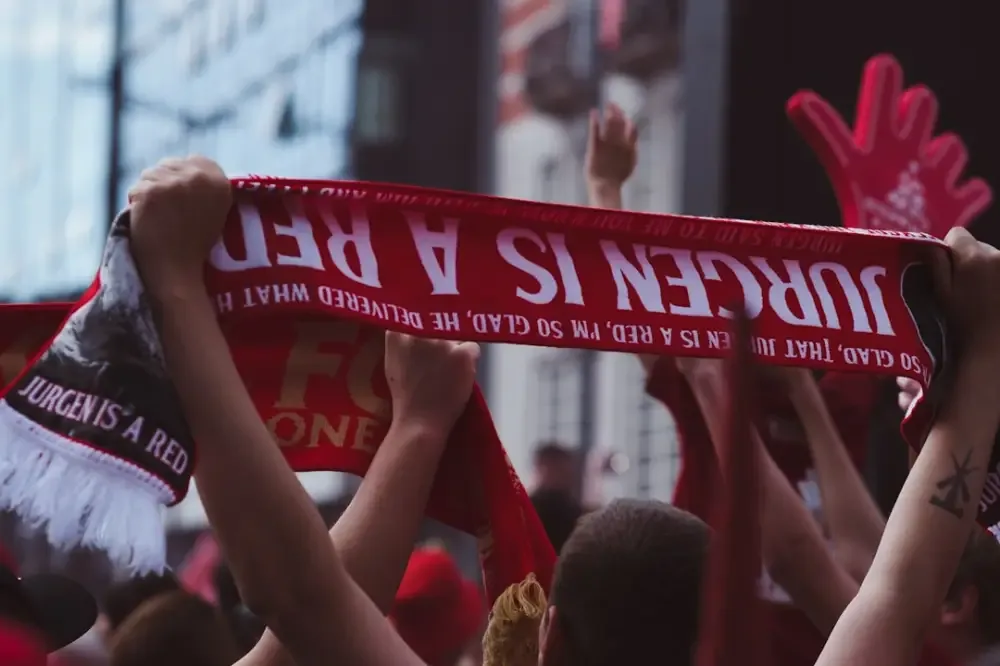
The Stadium as a Microcosm of Society
For many, football is an escape—a ninety-minute window where the stresses of the outside world are traded for the collective roar of the crowd. However, the idea that football exists in a vacuum is a misconception. The stands have always been a reflection of our communities, our struggles, and our shared values. In an era where modern football often feels detached from its roots, the fight for social justice remains more relevant than ever. It isn’t just about politics; it’s about ensuring that the game remains a welcoming space for everyone, regardless of their background.
When we talk about social justice in the stands, we are talking about the practical application of fairness and equality. It is about reclaiming the terrace as a space where community bonds are strengthened and where the marginalized find a voice. This isn’t a task for governing bodies alone; it is a grassroots effort that starts with the fans who show up every Saturday.
Why Collective Action Starts on the Terraces
Historically, football stadiums have been hubs for social interaction. They are one of the few remaining places where people from diverse socioeconomic backgrounds sit shoulder-to-shoulder. This unique proximity provides a powerful platform for awareness. When fans organize around a cause, the message resonates far beyond the stadium walls. Whether it is challenging rising ticket prices or standing against discrimination, the collective voice of the ultras and regular match-goers provides a counterbalance to the commercialization of the sport.
Practical Steps for Social Justice in the Stands
Advocating for social justice doesn’t require a massive budget or a professional PR team. It starts with small, consistent actions that shift the culture of a club from the ground up. If you are looking to make your local ground more inclusive and socially conscious, here are some practical ways to get started:
- Organize Matchday Collections: One of the most effective ways to support your local community is through food bank collections. Setting up a drop-off point near the stadium allows fans to contribute directly to those in need within the club’s immediate neighborhood.
- Promote Inclusive Language: Culture is shaped by the things we say. By actively discouraging discriminatory chants and promoting inclusive language, fans create a safer environment for families, minorities, and LGBTQ+ supporters.
- Support Local Grassroots Initiatives: Use your platform to highlight local charities or social enterprises. This could be as simple as featuring a local project in a fanzine or sharing their work on social media groups dedicated to the club.
- Create Visual Displays: Banners and tifos are more than just decoration. They are visual statements of intent. Simple, handmade banners supporting social causes can signal to newcomers that the club stands for more than just the scoreline.
Creating a Welcoming Environment for All
Inclusivity is a practice, not just a slogan. For many people, attending a football match can feel intimidating if they don't see themselves represented in the crowd. Practical social justice means looking at who is missing from your stands and asking why. Is the stadium accessible for fans with disabilities? Are there barriers preventing local youth from attending? By working with supporters' trusts and club management, fans can advocate for tangible changes, such as subsidized tickets for low-income residents or improved facilities for disabled supporters.
Building Solidarity Beyond the Pitch
The impact of fan activism is most felt when it extends beyond the final whistle. Building solidarity means connecting with other fan bases and community organizations to tackle broader issues. For example, the fight against the 'gentrification' of football—where traditional fans are priced out in favor of corporate hospitality—is a social justice issue that affects every club. By forming alliances with fans from other teams, we can create a unified front that demands a fairer game for everyone.
How to Start a Fan-Led Campaign
If you feel passionate about a specific issue, you don’t have to wait for someone else to lead. You can start a campaign yourself by following these approachable steps:
- Identify the Need: Talk to your fellow fans. Is there a common concern, such as local homelessness or a lack of diversity in the stands?
- Gather a Small Core Group: You don't need a hundred people to start. A dedicated group of five or six fans can manage social media, design flyers, and coordinate with the club.
- Engage with the Club: Approach your club’s community liaison officer. Many clubs are looking for ways to improve their social impact and will welcome fan-led initiatives.
- Communicate Clearly: Keep your message simple and actionable. Tell people exactly how they can help, whether it's signing a petition or bringing a tin of soup to the next game.
The Long-Term Impact of Fan Activism
The fight for social justice in football isn’t about winning a single argument; it’s about the long-term health of the sport. When fans take responsibility for the culture of their stands, they ensure that the club remains a vital part of the local community. This grassroots activism helps reclaim the game from purely commercial interests and places it back into the hands of the people who love it most.
Ultimately, the stands are where we learn to be part of something bigger than ourselves. By integrating social justice into our matchday experience, we aren't just supporting a team—we are building a better community. So next time you head to the ground, remember that your presence and your actions have the power to make the game truly beautiful for everyone.