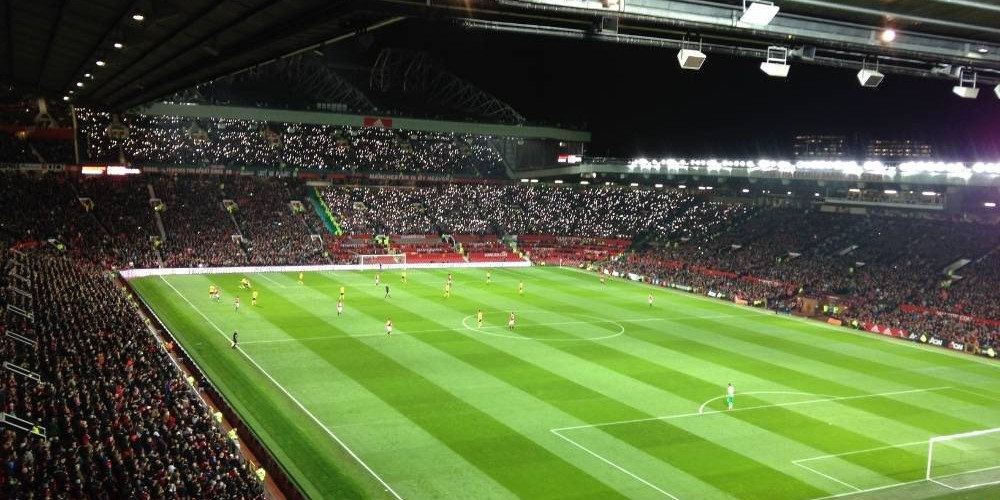

There is something about matchday that can’t be replicated. Long before kickoff, football already feels alive. Streets change their rhythm, conversations shift toward line-ups and form, and time seems to move differently. For many fans, matchday is not just about ninety minutes of football — it’s a lived experience shaped by ritual, emotion, and belonging.
In an era of highlight clips, live stats, and endless analysis, the matchday experience remains one of the last truly human parts of the game. It’s where football stops being content and starts feeling real.
The Build-Up: Anticipation Is Part of the Game
Matchday begins hours, sometimes days, before the first whistle. The anticipation is its own reward. Fans debate tactics, recall past encounters, and mentally rehearse moments that haven’t happened yet.
This build-up creates emotional investment. You’re not just watching a game — you’re preparing for it. The clothes you wear, the route you take, the pub or meeting point you choose all become part of a familiar routine. These small habits anchor football into everyday life, turning matchday into a recurring cultural event rather than a one-off spectacle.
Rituals and Superstitions That Bind Fans Together
Every supporter has rituals. Some wear the same scarf every game. Others arrive at the ground at a precise time or refuse to check the score before kickoff. These habits might seem irrational, but they serve a deeper purpose.
Rituals create continuity. They link past matches to future ones and give fans a sense of participation beyond the pitch. When thousands of people repeat similar actions week after week, football becomes communal rather than passive. It’s no longer something you consume — it’s something you practice.
The Sound of the Crowd
Noise is one of the most powerful elements of the matchday experience. Chants, songs, boos, and spontaneous roars transform a stadium into a living organism. Even at lower levels of the game, crowd noise carries emotion that no broadcast can fully capture.
Chanting together creates unity. Strangers stand shoulder to shoulder, singing the same words with the same intent. In those moments, individual identity fades and collective identity takes over. This shared voice is a reminder that football is as much about the people watching as the players performing.
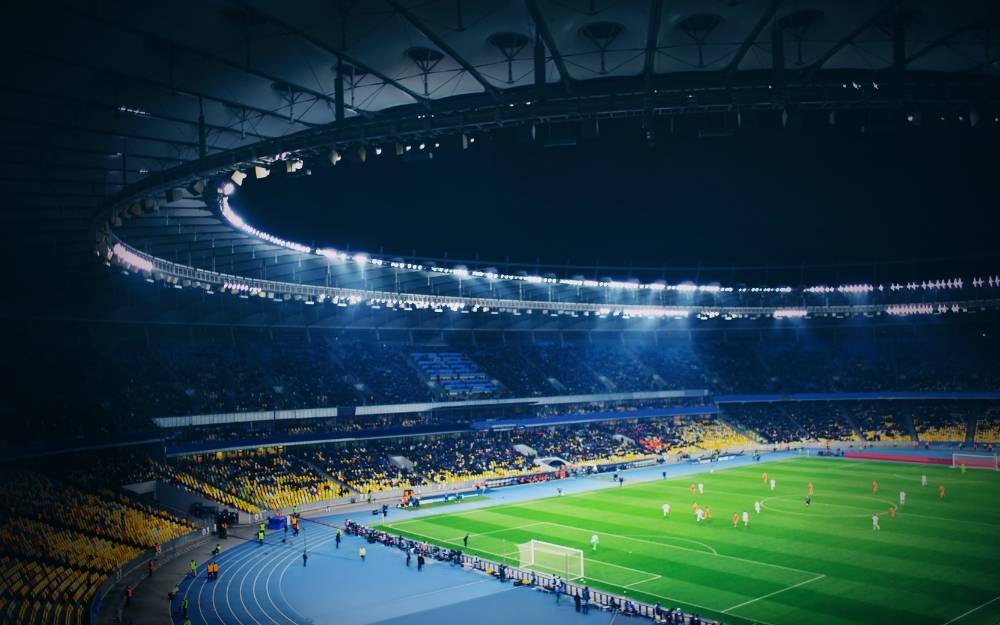
Football as a Physical Experience
Watching football in person is a sensory event. You feel the cold, smell the food, hear boots connect with the ball, and sense the tension in the air. Every missed chance or last-ditch tackle produces a physical reaction — a gasp, a jump, hands on heads.
These sensations ground football in reality. They remind fans that the game is not just data or commentary. It’s movement, effort, and imperfection unfolding in real time. This physicality is a major reason why matchday memories stay vivid long after the final score is forgotten.
Community Beyond the Result
While wins and losses matter, the matchday experience is bigger than the outcome. For many supporters, football is one of the few remaining spaces where community forms naturally. It brings together people of different ages, backgrounds, and beliefs under a shared cause.
Matchday conversations extend beyond the pitch — about life, work, politics, or history. Over time, familiar faces become trusted companions. These relationships are built slowly, week by week, making football a social constant rather than a temporary escape.
Emotion Without Filters
Football on matchday is raw. Joy, anger, frustration, and hope are expressed without polish or restraint. There is no algorithm deciding what you should feel. The emotion is immediate and honest.
This emotional openness is rare in modern life. Football allows people to care deeply and openly, even when it hurts. That vulnerability is what makes matchday powerful — it gives fans permission to feel something real in a world that often feels controlled and distant.
Why Matchday Still Matters
As football continues to evolve, the matchday experience remains its emotional core. It preserves tradition, strengthens community, and keeps the game connected to real people and real places.
No matter how the sport changes, matchday endures because it offers something irreplaceable: a shared, imperfect, deeply human experience. And that is what truly makes football feel real.